Curious what daily life on Atlanta’s west side actually feels like? It is more connected than many buyers expect, with major park space, long trail stretches, and dining hubs that can fit everything from a casual coffee stop to a full night out. If you are exploring where to spend time, or where to buy a home that supports your routine, this guide will show you how Atlanta’s Westside and nearby districts come together. Let’s dive in.
Why Atlanta’s Westside Stands Out
Atlanta’s west side works best when you think of it as a lifestyle corridor, not one single neighborhood. The big story is the way parks, paths, and dining districts connect across several parts of the city. That makes it easier to picture a real routine here, not just a weekend visit.
You can move from a trail walk to a park overlook to dinner without those activities feeling disconnected. That pattern shows up across the BeltLine trail network and nearby mixed-use destinations. For buyers, it also helps explain why the Westside appeals to people looking for a more active, lower-maintenance, or park-first lifestyle.
Shirley Clarke Franklin Park
One of the biggest anchors on the west side is Shirley Clarke Franklin Park, the current official name of the former Westside Park. It is Atlanta’s largest park and was created from a former quarry. Today, it offers a very different experience, with large open space and skyline views that give the area a distinct sense of scale.
According to BeltLine information, the park includes a 35-acre reservoir, trails, meadows, sculptures, pavilions, playgrounds, and scenic overlooks. Many of the pathways are mostly ADA-accessible, which adds to its day-to-day usability. In practical terms, that means the park can fit a quick walk, a family outing, or a longer weekend visit.
The park also matters beyond recreation. City materials have linked it to broader westside investment and access goals, which makes it a major part of how the area continues to evolve. If you are considering nearby housing, this park is not just an amenity. It is part of the larger story shaping the area.
Westside Trails That Support Daily Life
The trail network is what makes the west side feel especially usable. Rather than serving one pocket of the city, these paths connect neighborhoods, green spaces, and commercial districts in a way that supports real routines. That is a big reason the area appeals to walkers, cyclists, and anyone who wants more options beyond driving everywhere.
Westside Trail
The Westside Trail runs 3.2 miles from I-20 to W Marietta Street. BeltLine materials describe it as convenient to MARTA and lined with community art, while also connecting to neighborhoods including Ashview Heights, Bankhead, Hunter Hills, Just Us, Mozley Park, and Washington Park.
It also links to destinations people actually use, including Shirley Clarke Franklin Park, Washington Park, The Works, and Westside Paper. That blend of recreation and access is what makes the trail system stand out. You are not just walking for exercise. You are moving through places where people live, gather, and spend time.
Westside Connector
The Westside Connector adds another 1.7 miles from downtown to historic westside communities. It was built with the PATH Foundation as part of a longer connection toward the Silver Comet Trail. For residents, that means the west side is tied into a bigger regional movement network, not an isolated trail segment.
West End Trail
The West End Trail was the first completed segment of the Atlanta BeltLine trail system. It runs from Westview Cemetery to Rose Circle Park and remains an important part of the broader west side experience. If you spend time around West End and Lee + White, this trail connection is a big part of the area’s appeal.
Segment 4 Expansion
A major update came with the June 2025 completion of Westside Trail Segment 4. That project created 6.7 continuous miles from University Avenue to Huff Road. For buyers comparing Atlanta lifestyles, that kind of continuity matters because it expands how far you can realistically go on foot or by bike.
Dining Hubs Across the Westside
One of the best parts of the west side is that its dining scene is not limited to one style or one setting. Different districts offer different moods, from casual food-hall energy to polished restaurant clusters. That gives the area range, whether you want a quick bite after a walk or a more planned evening out.
The Works on the Upper Westside
The Works is a major Upper Westside mixed-use destination with an 80-acre footprint. Its official materials describe a blend of retail, office, residential, entertainment, and open space while preserving the area’s industrial character. That mix helps create the kind of all-in-one environment many buyers look for when they want convenience built into the neighborhood.
At the center is Chattahoochee Food Works, a 31-vendor food hall of roughly 26,000 square feet with communal indoor and outdoor seating plus event space. The district also includes dining and entertainment options such as Fox Bros Bar-B-Q, Chicheria Mexican Kitchen, BRASH Coffee Roasters, Taste Wine Bar and Market, and Your 3rd Spot.
Some dining listings are also marked pet-friendly, which is a nice fit for residents who picture a dog walk followed by coffee or lunch. That detail may sound small, but it helps show how the area supports a casual, flexible routine.
Westside Provisions District on Howell Mill
If you are looking for a more polished dining cluster, Westside Provisions District is one of the clearest options on the west side. Located on Howell Mill Road, the district is known for destination dining and boutique retail. It is often the kind of place people consider for date nights, celebrations, or evenings that feel a little more curated.
The current restaurant lineup includes Marcel, Paya Thai, Forza Storico, Little Sparrow, Ormsby’s, Bar Blanc, Barrel Proof, and Taqueria del Sol. The district also notes that its residences combine urban renewal with new construction, which is useful context if you are comparing homes near Howell Mill and want nearby dining as part of your decision.
Lee + White in West End
For a different feel, Lee + White offers a strong West End destination directly along the Westside Trail. The project spans 23 acres and 440,000 square feet, with a food hall, retail spaces, creative loft offices, breweries, restaurants, retailers, and food manufacturers.
Its tenant mix includes Wild Heaven, ASW, Monday Night Garage, Best End, and Plywood People. The atmosphere here leans more casual and group-friendly, especially for post-trail stops or less formal meetups. If you like adaptive reuse projects and a strong connection between paths and places to gather, Lee + White is a standout.
What Buyers Should Know About Housing
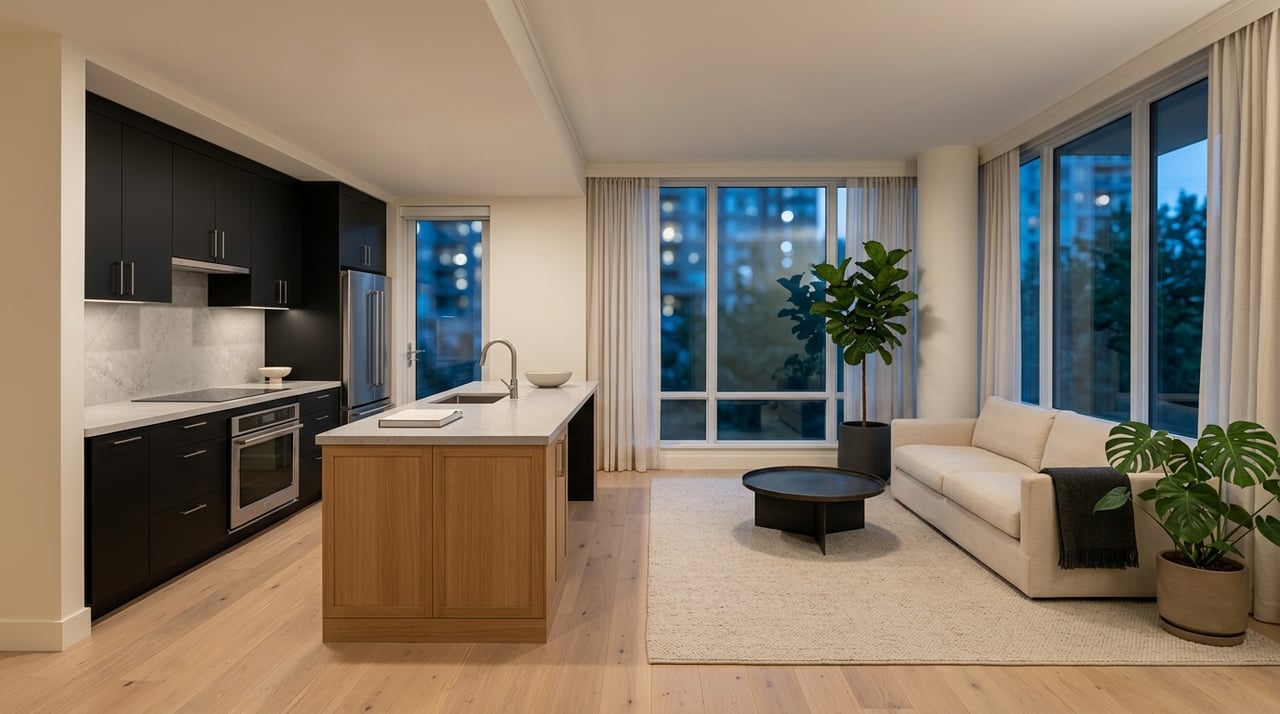
The housing story across Atlanta’s west side is varied, which is important if you are trying to match a home to your lifestyle. Around major mixed-use districts like The Works and Westside Provisions, the inventory often leans toward urban, lower-maintenance living. That may include condos, loft-style homes, and other options close to dining and activity centers.
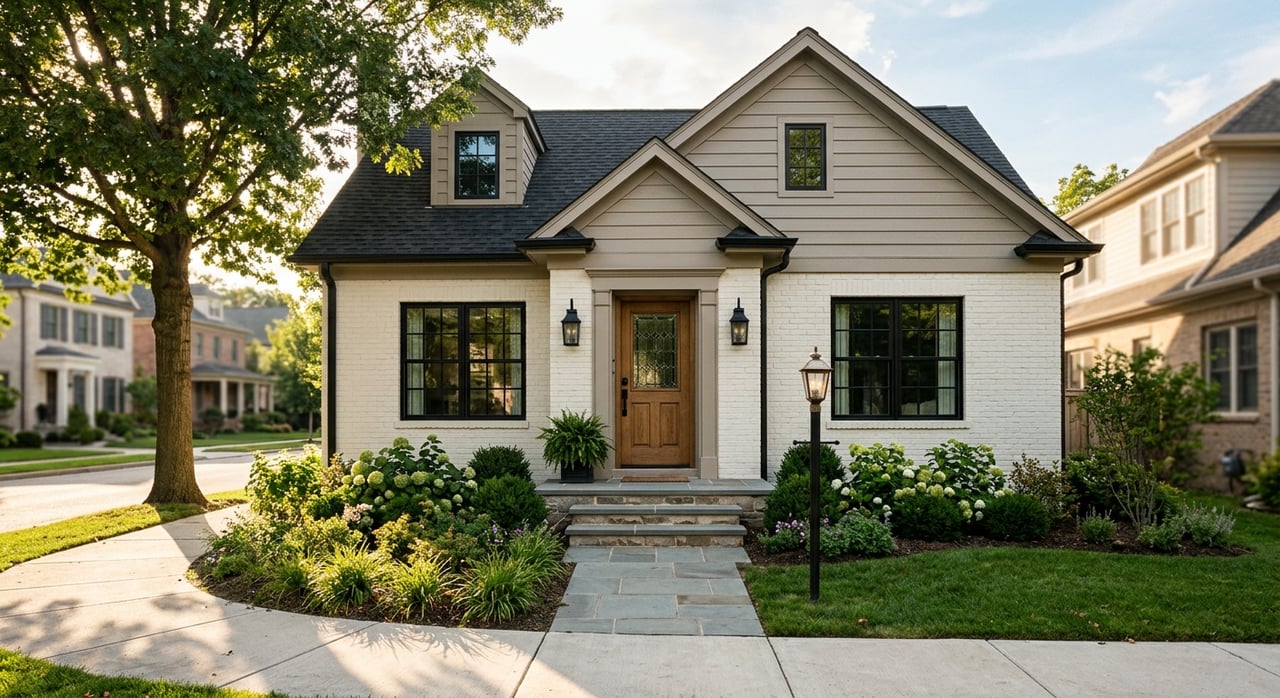
In historic westside neighborhoods, the housing stock shifts. City materials for West End reference early Queen Anne cottages, Victorian L houses, frame bungalows, and American Foursquare homes. In Adair Park, historic district materials note late 19th- and early 20th-century roots with strong Craftsman bungalow influence, along with Folk Victorian and Tudor Revival examples.
Howell Station adds another layer to the picture. City information notes that the neighborhood grew alongside the Western and Atlanta Railroad, and that residents have been renovating historic homes in an intact single-family residential area. So if you are comparing the west side, it helps to know that newer mixed-use living and older historic housing both play a role here.
Historic District and Overlay Details
For buyers, one of the smartest next steps is verifying whether a property falls within a historic district or another regulated area. The City of Atlanta notes that preservation rules vary by district, and zoning controls permitted uses. That can affect renovation decisions, exterior changes, and the overall process of planning future updates.
The city has also connected growth around Shirley Clarke Franklin Park to housing policy through the approved Westside Park housing overlay, which requires affordable housing in new neighborhoods around the park. You do not need to know every planning detail before you start your search, but you do want to understand how these rules may shape what gets built and how nearby areas develop.
How the Westside Fits Real Life
For many buyers, the biggest appeal of the west side is not just one park or one restaurant. It is the ability to build a lifestyle around connected amenities. You can picture a morning walk, an afternoon in the park, and dinner nearby without crossing unrelated parts of the city.
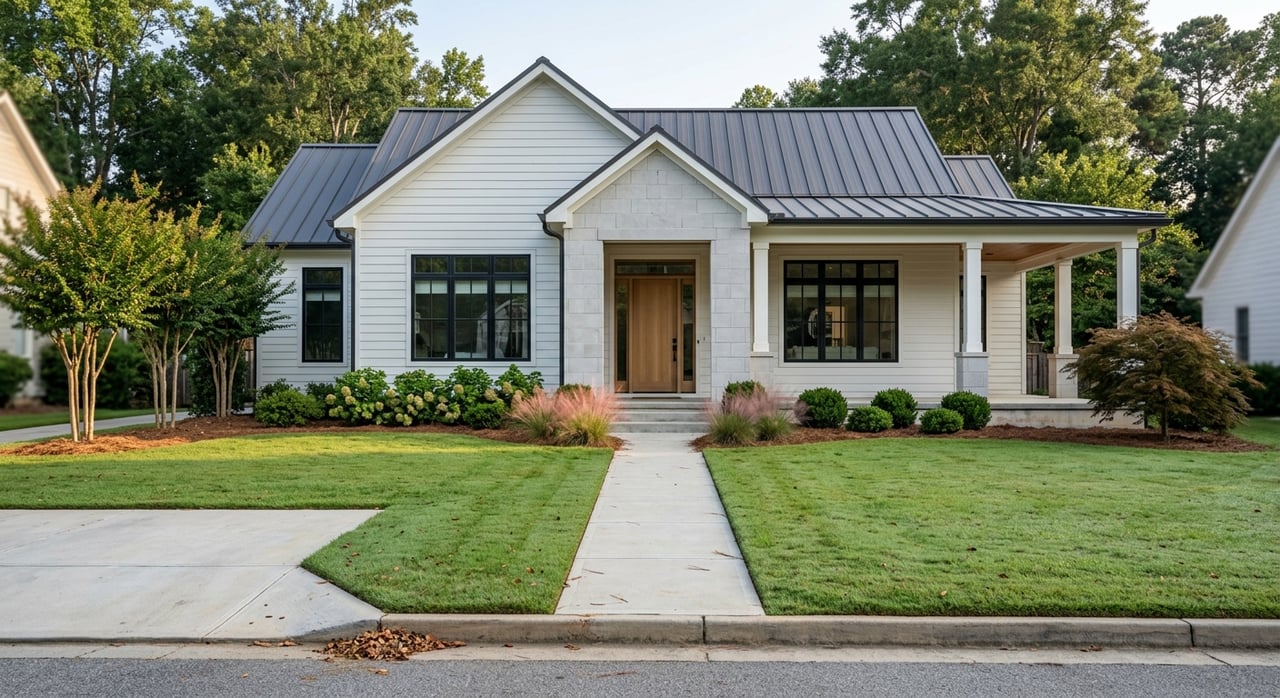
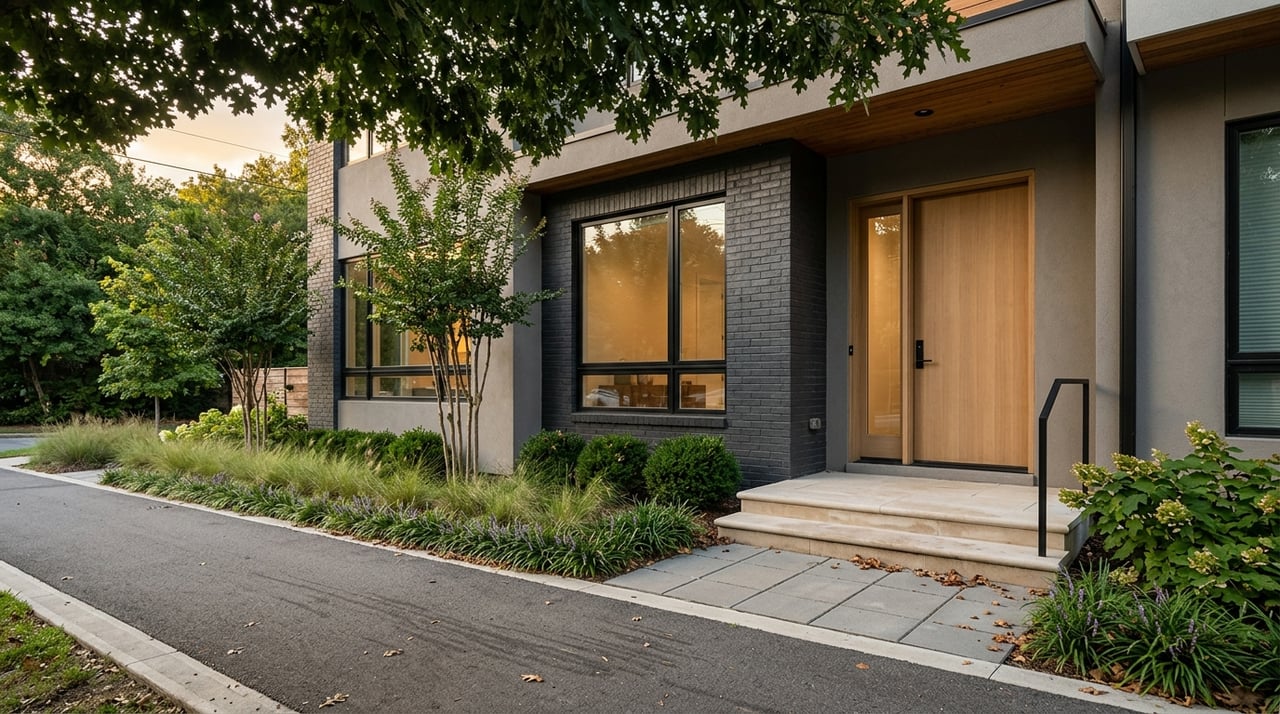
That makes the area worth a closer look if you want more than a house alone. It can also be a strong fit if you are comparing an urban condo, a townhome near mixed-use development, or an older home in a historic neighborhood with established character. The best choice depends on how you want to spend your time, not just what shows up in a listing search.
If you are weighing where to buy or how to position a home for sale in Atlanta’s west side corridor, working with a strategic local advisor can help you connect the lifestyle details to the housing options that actually fit your goals. For tailored guidance on buying or selling in Atlanta, connect with Joshua Jennings Real Estate.
FAQs
What is Shirley Clarke Franklin Park in Atlanta?
- Shirley Clarke Franklin Park is Atlanta’s largest park, created from a former quarry, with a 35-acre reservoir, trails, meadows, playgrounds, pavilions, sculptures, scenic overlooks, and mostly ADA-accessible pathways.
What trails connect Atlanta’s Westside?
- The main trail network includes the Westside Trail, the Westside Connector, and the West End Trail, and the June 2025 completion of Westside Trail Segment 4 created 6.7 continuous miles from University Avenue to Huff Road.
What dining areas define Atlanta’s Westside lifestyle?
- Key dining hubs include The Works on the Upper Westside, Westside Provisions District on Howell Mill Road, and Lee + White in West End, each offering a different mix of restaurants, gathering spaces, and neighborhood feel.
What types of homes are common on Atlanta’s Westside?
- Housing varies by location, with more urban and lower-maintenance options near mixed-use districts and older single-family and renovated historic homes in areas like West End, Adair Park, and Howell Station.
What should buyers check before buying in a Westside historic area?
- Buyers should verify whether a property is in a historic district or other regulated area because preservation rules vary by district and zoning can affect permitted uses and future changes.