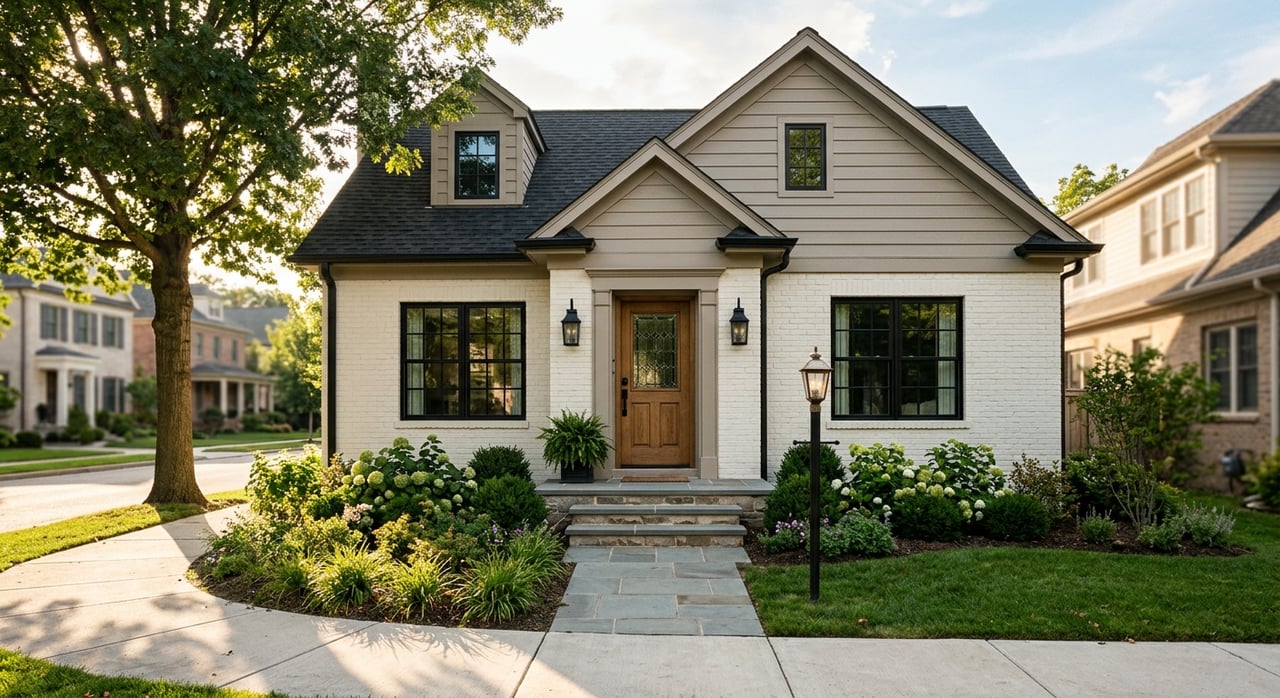
If you want a neighborhood where coffee, dinner, a trail walk, and a community event can all fit into the same day, Carrollton’s in-town areas deserve a closer look. For many buyers, the appeal is not just the homes themselves. It is the rhythm of everyday life near downtown, where historic streets, local businesses, and public gathering spaces all sit close together. This guide will help you picture what living in Carrollton’s in-town neighborhoods can actually feel like, from daily errands to housing style and lifestyle tradeoffs. Let’s dive in.
What in-town Carrollton feels like
Carrollton’s in-town core centers on historic Adamson Square and the downtown street grid. The city describes the square as the central hub for activity and community engagement, and Carrollton sits about 50 miles west of Atlanta. That gives you a setting that feels locally rooted while still connected to the broader metro region.
The historic layout shapes daily life in a noticeable way. Downtown developed from the early 1870s through 1956 on top of the original 1829 town plan, and the area is defined by civic landmarks, storefronts, and buildings that front the sidewalk. In simple terms, the design supports a more connected, street-level experience than you might find in newer, more spread-out areas.
Nearby residential pockets carry that same in-town pattern. The South Carrollton Residential Historic District includes narrow lots, houses set closer to the street, sidewalks, and tree-lined streets. The Mandeville Mills and Mill Village Historic District also reflects Carrollton’s older in-town fabric.
Walkability around Adamson Square
One of the biggest advantages of in-town living is convenience. The city describes downtown shopping as easily walkable, with boutiques, bookstores, galleries, antique malls, specialty stores, and a mix of regional and national retailers. That means your routine can include more than just driving from one errand to the next.
Downtown also works as a mixed-use center. In the same general area, you can find coffee shops, restaurants, wine bars, breweries, salons, counseling, health services, insurance offices, law offices, and other professional services. For many buyers, that mix is what makes the location feel practical, not just charming.
Parking also helps support the area’s usability. The Amp on the Square notes that downtown offers free public parking, including two parking decks. That matters whether you live nearby, have visitors coming in, or simply want the flexibility of an active downtown without a complicated parking routine.
Dining and everyday convenience
Dining is a major part of the in-town lifestyle. The city says downtown Carrollton has more than 20 locally owned restaurants, with options ranging from down-home Southern cooking to Asian fusion and sushi bars. That gives you variety for a quick weekday meal, a casual coffee stop, or a more social evening out.
The downtown mix includes names like Brown Dog Eatery, La Trattoria, Corner Café, Buzzard’s Coffee, Dream City Brewing Company, Local Ties Brewing Company, and Crafty Rabbit Meadery. Whether you are meeting friends, grabbing lunch, or keeping your weekend plans close to home, the square offers a lot within a compact area.
Beyond food, daily life near downtown is supported by nearby civic and cultural spaces. The Neva Lomason Public Library, the Carrollton Center for the Arts, and The Amp on the Square are all part of the same broader in-town environment. That helps downtown function as more than a shopping district.
GreenBelt access and outdoor routine
The Carrollton GreenBelt is one of the strongest lifestyle features tied to in-town living. The city describes it as an 18-plus-mile continuous paved trail that loops around downtown and is designed for pedestrians, bikers, and other non-motorized users. For many residents, that can become part of the daily routine rather than just an occasional weekend activity.
The GreenBelt also connects neighborhoods with the Carrollton City School campus, the University of West Georgia, city parks, and commercial and shopping areas. That kind of connection can make an in-town location feel even more functional. You are not just near downtown. You are tied into a wider network of destinations that support day-to-day living.
Local recreation adds even more depth. City event pages show runs on the GreenBelt and at Lakeshore Park, pickleball events at Lakeshore Park, youth fishing at Lake Carroll, and improvements at Optimist Park that include a paved walking track and restrooms. If you value outdoor access, the in-town lifestyle has real substance behind it.
Events and community activity
Living near the center of Carrollton can also mean being closer to the city’s event calendar. Annual events listed by the city include Art Takeover, Mayfest, Amp Events, Taste of Carrollton, the Carrollton Half Marathon, the Arts Festival, Trick-or-Treat, and Christmas in Carrollton. These events help create a downtown environment that stays active throughout the year.
The Amp adds another layer with concerts, movies, trivia, cornhole, and recurring programming. That matters because lifestyle is not only about where you sleep at night. It is also about how easy it is to plug into your community without needing a long drive every time you want something to do.
The University of West Georgia adds a modest college-town note to the area as well. City and university materials place the campus within the local cultural ecosystem alongside downtown and the Center for the Arts. The result is a setting that blends small-town familiarity with a little extra energy and variety.
Home styles in in-town Carrollton
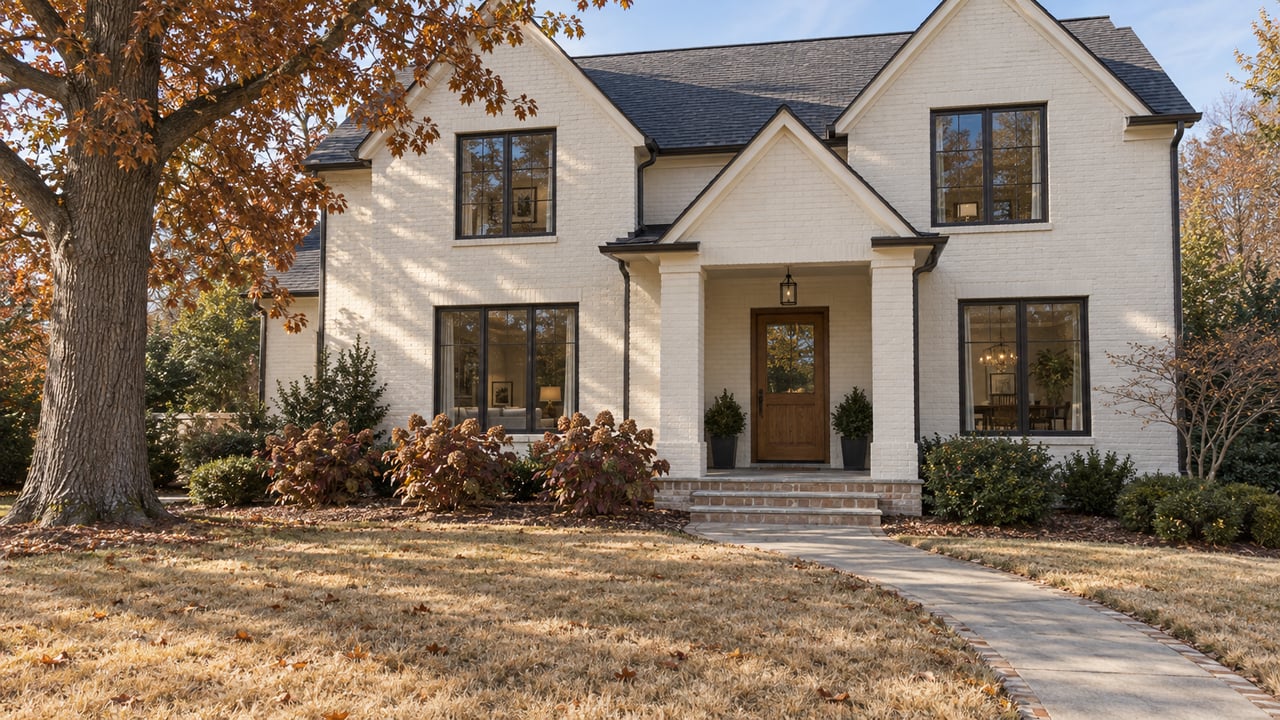
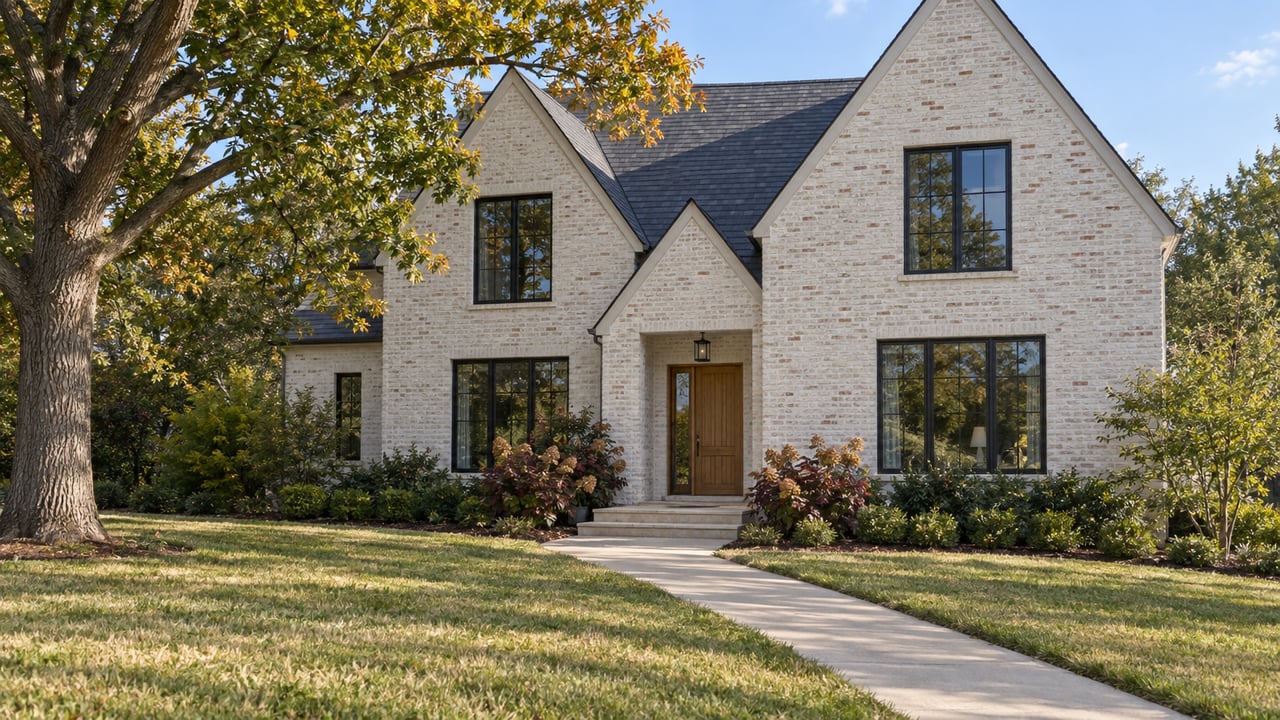
If you are drawn to homes with visible history and architectural character, in-town Carrollton stands out. The South Carrollton Residential Historic District includes one- and two-story homes dating from the 1870s to the 1930s. These range from modest cottages to larger houses, which gives the area a varied and established feel.
Documented styles in the district include Victorian Gothic, Queen Anne, Eclectic, Neoclassical, and Craftsman/Bungalow. Many homes are wood-framed with weatherboard siding. For buyers who want something other than a newer subdivision look, that older housing stock can be a major part of the appeal.
The city’s visitor guide also points people toward historic homes on Dixie, Tanner, and Center streets. That reinforces an important point about in-town Carrollton. Its history is not tucked away from daily life. It is part of the streetscape you experience on an ordinary afternoon.
In-town vs farther out living
The biggest tradeoff usually comes down to lifestyle priorities. In-town Carrollton tends to offer more walkability, easier access to events, a tighter street grid, and older homes with character near Adamson Square. If you like the idea of being close to restaurants, trails, arts venues, and recurring community events, that can be a strong fit.
Farther out in the county, the rhythm shifts. The visitor guide highlights places like McIntosh Reserve, Little Tallapoosa Park, and John Tanner Park, with activities such as camping, swimming, trail riding, hiking, mini golf, pedal boating, fishing, and festivals. Those settings support a more destination-based outdoor lifestyle and often come with a more spread-out pattern of living.
Neither option is better across the board. It depends on how you want your day to work. Some buyers want a front porch near downtown and an easier path to coffee, dinner, and the GreenBelt. Others want more separation, more driving, and a different kind of space.
Who may love in-town Carrollton
In-town Carrollton can appeal to a wide range of buyers because the benefits are practical as well as aesthetic. If you want an established setting, older housing stock, and easier access to downtown amenities, these neighborhoods are worth exploring closely. The combination of sidewalks, local dining, public spaces, and trail access creates a lifestyle that feels active without feeling overwhelming.
It can also be a smart option if you want a home that feels connected to Carrollton’s identity. The downtown core, historic districts, arts venues, and GreenBelt all contribute to a daily experience that is distinct from a newer suburban pattern. For many buyers, that sense of place is hard to replicate.
If you are comparing neighborhoods in Carrollton, it helps to look beyond bedroom count or square footage alone. The real question is how you want to live day to day. A strategic home search should match not only your budget and home goals, but also the pace and layout that fit your routine best.
When you are ready to compare Carrollton neighborhoods, evaluate home styles, or plan your next move with a clear strategy, Joshua Jennings Real Estate can help you make a confident decision.
FAQs
What are Carrollton’s in-town neighborhoods known for?
- Carrollton’s in-town neighborhoods are known for their proximity to Adamson Square, historic homes, sidewalks, tree-lined streets, downtown businesses, and access to the Carrollton GreenBelt.
What is everyday life like near downtown Carrollton?
- Everyday life near downtown Carrollton can include walkable shopping, local dining, community events, arts venues, library access, and outdoor time on the GreenBelt, all within the city’s central core.
What kinds of homes are common in in-town Carrollton?
- In-town Carrollton features older one- and two-story homes, including cottages and larger historic houses, with styles such as Craftsman/Bungalow, Queen Anne, Neoclassical, Eclectic, and Victorian Gothic.
How does in-town Carrollton compare with farther-out areas?
- In-town Carrollton offers a more compact, walkable lifestyle tied to downtown amenities and events, while farther-out areas lean more toward destination recreation and a more spread-out daily routine.
Is the Carrollton GreenBelt important for in-town living?
- Yes. The GreenBelt is a major part of in-town life because it is an 18-plus-mile paved trail that connects downtown with neighborhoods, parks, schools, the University of West Georgia, and shopping areas.