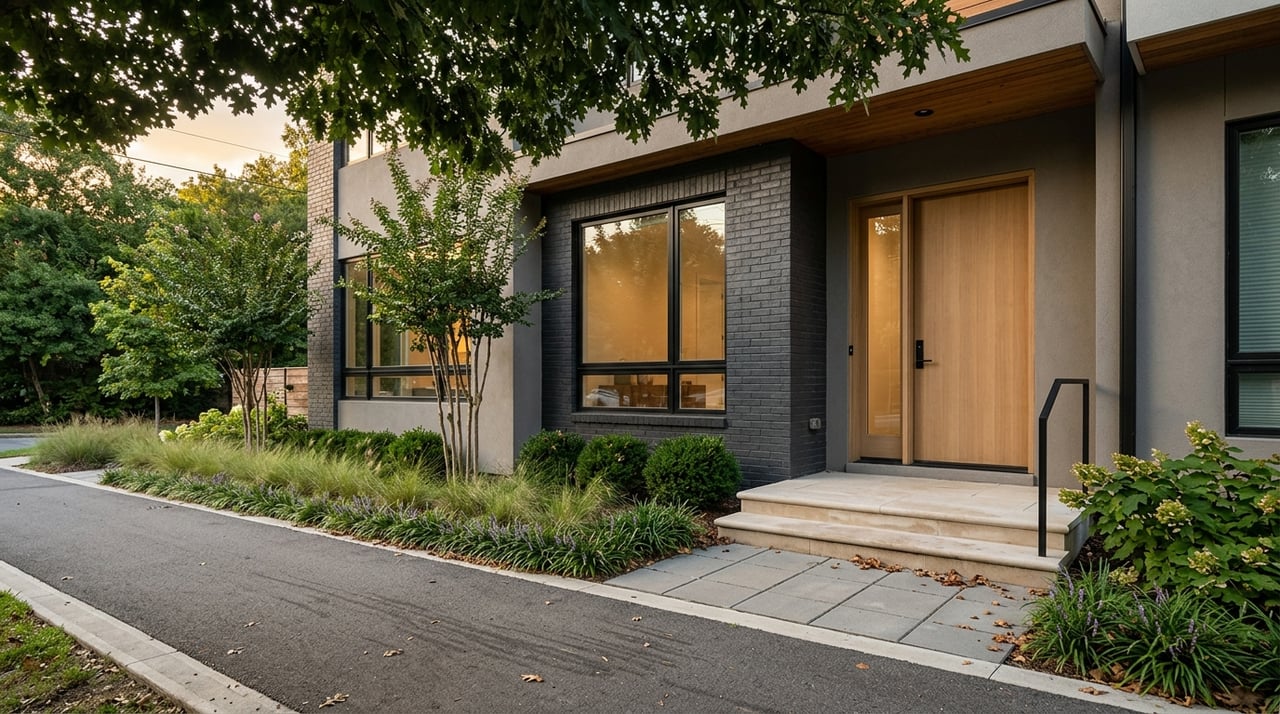
If you picture the Atlanta BeltLine as one long trail with one type of home and one kind of buyer, you are likely missing the real story. The BeltLine connects a wide range of places, from busy amenity-rich stretches to quieter, more residential sections, and that variety shapes how people live and how homes are bought and sold nearby. If you are trying to understand what BeltLine living really means in Atlanta, this guide will help you see the lifestyle, housing mix, and market nuances that matter most. Let’s dive in.
What the Atlanta BeltLine Is Today
The Atlanta BeltLine is a major redevelopment corridor built around a historic 22-mile railroad alignment. Official BeltLine materials describe it as a network of public parks, multi-use trails, transit planning, and affordable housing designed to improve mobility, economic opportunity, and sustainability across intown Atlanta.
As of June 12, 2026, the BeltLine reported 16.7 continuous mainline miles open, plus 1.6 miles of the Westside Connector Trail. That leaves 4.7 miles remaining before the full loop is complete, with a 2030 target for completion.
That open trail network now reconnects 36 neighborhoods. Because of that, BeltLine living is better understood as a corridor-wide lifestyle than a single neighborhood identity.
Why BeltLine Living Feels Different
One of the biggest reasons the BeltLine gets so much attention is how it changes everyday routines. Instead of thinking only in driving distances, many residents think in terms of walking, biking, short trips, and easy access to parks, dining, and retail.
Official visitor information highlights destinations like Ponce City Market, Krog Street Market, Lee + White, The Beacon, and the BeltLine Marketplace. The BeltLine also notes that about 6,000 businesses sit within half a mile of the corridor, which gives many areas near the trail a strong live-near-the-action appeal.
The lifestyle is not just about restaurants and shops, though. The Atlanta BeltLine Arboretum spans nearly 13 miles as a linear greenway, with 85 acres and more than 9,000 cataloged plants, and Art on the Atlanta BeltLine is described as the largest outdoor temporary public art exhibition in the South.
In other words, the BeltLine functions as more than a trail. It is part transportation route, part green space, part arts corridor, and part development framework.
BeltLine Segments Have Different Vibes
One of the most important things to understand as a buyer or seller is that not every BeltLine address offers the same experience. Segment by segment, the setting and nearby amenities can feel very different.
Eastside Trail Experience
The Eastside Trail runs from Piedmont Park to Reynoldstown and connects with areas including Inman Park, Old Fourth Ward, Poncey-Highland, and Virginia Highland. It is the first finished section and one of the most amenity-rich, with strong access to markets, dining, and daily activity.
If you want a more urban, active, and convenience-driven experience, this stretch often matches that goal. Buyers looking here may focus heavily on walkability and proximity to popular destinations.
Northside Trail Experience
The Northside Trail moves through Ardmore and Collier Hills. Official BeltLine descriptions call it one of the most secluded and picturesque sections.
This area can appeal to people who want BeltLine access with a quieter, leafier setting. It shows how BeltLine living can sometimes feel more park-like than entertainment-centered.
Westside and Southwest Experience
The Westside Trail and Southwest Trail run through historic neighborhoods including Ashview Heights, Bankhead, Hunter Hills, Mozley Park, Washington Park, Pittsburgh, Adair Park, and West End. These segments also connect to newer retail and mixed-use destinations.
For buyers and sellers, this matters because interest in these areas may be shaped by both current lifestyle access and future corridor growth. BeltLine research also notes that private development often follows new trail openings by 12 to 24 months.
Southeast and Southside Experience
The Southeast and Southside sections link places such as Reynoldstown, Glenwood Park, Grant Park, Ormewood Park, and Cabbagetown. Official trail pages emphasize murals, retail, dining, parks, and access to places like Zoo Atlanta and Grant Park.
That can create a blend of neighborhood character, green space, and local activity. It is another example of why the BeltLine should be viewed as a chain of micro-markets rather than one uniform housing area.
The Housing Mix Near the BeltLine
A common misconception is that BeltLine living mostly means condos. In reality, official BeltLine homebuyer resources say the housing mix near the corridor includes single-family detached homes, townhomes, condominiums, and apartments.
That wide mix is one reason the BeltLine appeals to different types of buyers. You can find options that fit different budgets, lifestyle goals, and space needs, depending on the segment and the surrounding neighborhood context.
Apartments Near the BeltLine
Apartments are a meaningful part of the BeltLine housing picture. One recent example is Madison Reynoldstown, a 116-unit apartment community adjacent to the Southeast Trail, with units set aside between 30% and 80% of area median income.
This highlights an important point: near-BeltLine housing is not limited to luxury or market-rate inventory alone. In some locations, apartment options are part of the corridor’s broader affordability effort.
Condos Along the Corridor
Condos remain a major part of the BeltLine conversation, especially near more urban segments. Lofts at Reynoldstown Crossing included 28 affordable condos near the connection point between the Eastside Trail and Southside Trail.
For buyers, condos can offer a lower-maintenance way to live close to trail access and nearby amenities. For sellers, condo demand often depends on the specific segment, building, and lifestyle appeal tied to that location.
Townhomes Near the BeltLine
Townhomes are another important product type. Avenue at Oakland City produced 29 permanently affordable townhomes in historic Oakland City near the Westside Trail and Oakland City MARTA station.
Townhomes can appeal to buyers who want more space than a typical condo while still staying close to the BeltLine. They often sit in a useful middle ground between density, convenience, and room to spread out.
Single-Family Homes Nearby
Single-family homes are also part of the BeltLine landscape. Atlanta BeltLine, Inc.'s 2025 Chappell Road effort in Bankhead called for an affordable single-family housing development, paired with lower-density multifamily and neighborhood-scale commercial space.
That matters because it confirms the BeltLine is not just a dense condo-and-apartment corridor. In some areas, detached homes remain part of the local housing story.
Why the BeltLine Influences Demand
The BeltLine shapes housing demand because it combines lifestyle value with long-term redevelopment momentum. Official BeltLine reporting says the corridor receives about 2.5 million visits annually, with more than $52 million in yearly spending at retail, dining, and other local businesses.
The same reporting says 60% of visits come from City of Atlanta residents. That helps explain why nearby housing attracts attention not only from people seeking a destination lifestyle, but also from local buyers who want daily-use convenience.
The BeltLine is also a major economic engine. A May 2026 impact analysis said BeltLine-related activity sustained 91,000 jobs, generated an estimated $23 billion in annual economic output, and helped catalyze $14.2 billion in private investment since inception.
For the housing market, those numbers support what many buyers and sellers already sense: proximity to the BeltLine can be meaningful, but the level and type of demand often depends on where along the corridor a property sits.
What Buyers Should Keep in Mind
If you are buying near the BeltLine, the first question is not simply, “How close is the trail?” A better question is, “Which part of the BeltLine fits the way I actually want to live?”
Some buyers prioritize being close to major dining and retail nodes. Others want a calmer setting with trail access but less day-to-day activity around them.
It is also worth remembering that the BeltLine is still under construction in some sections. Official trail pages note detours, closed ramps, and ongoing construction activity in certain areas, so your day-to-day experience today may not yet match the full long-term vision.
For affordability-conscious buyers, there is active support in the corridor as well. Atlanta BeltLine, Inc. reported in April 2026 that it had reached 79% of its goal to create or preserve 5,600 affordable housing units by 2030, with 4,425 units delivered by the end of 2025, and official buyer resources point residents toward down payment assistance, Georgia Dream, Atlanta Housing homeownership support, and BeltLine partnership workshops.
What Sellers Should Understand
If you are selling a home near the BeltLine, the biggest mistake is treating BeltLine adjacency like a one-size-fits-all feature. A condo near Eastside retail, a townhome near Westside redevelopment, and a detached home near a quieter northside stretch may all appeal to different buyer pools.
That means positioning, pricing, and marketing should match the specific segment and housing type. Buyers are not just shopping for distance to the trail. They are also evaluating the kind of lifestyle that specific location supports.
This is where strong local strategy matters. A polished listing is helpful, but clear market context and precise positioning are what help a property stand out in a corridor with so many micro-markets.
The BeltLine Is Still Evolving
The BeltLine already plays a major role in how many people experience intown Atlanta, but it is still a project in progress. Transit planning continues to frame the corridor as a 22-mile transportation route where trails and future light rail would connect into MARTA and a broader network.
The City of Atlanta has also used zoning overlays tied to the BeltLine to preserve the corridor for transit and trails while encouraging mixed-use and commercial nodes near station areas. That long-term planning helps explain why the BeltLine continues to shape both lifestyle and land use.
For buyers and sellers alike, the key takeaway is simple: the BeltLine is not one neighborhood, one housing type, or one market story. It is a connected network of places, each with its own rhythm, housing mix, and value drivers.
If you are thinking about buying or selling near the Atlanta BeltLine, having a clear strategy matters. Joshua Jennings Real Estate can help you evaluate the right segment, understand the local housing mix, and make a confident move with a plan built around your goals.
FAQs
Is the Atlanta BeltLine fully finished in 2026?
- No. As of June 12, 2026, 16.7 continuous mainline miles and 1.6 miles of the Westside Connector Trail were open, with 4.7 miles remaining before the full loop is completed.
Is BeltLine housing in Atlanta only condos and apartments?
- No. Official BeltLine buyer resources say the housing mix includes single-family detached homes, townhomes, condominiums, and apartments.
Are there affordable housing options near the Atlanta BeltLine?
- Yes. The BeltLine has an active affordable housing pipeline, and official resources also point buyers and residents to down payment assistance and homeownership support programs.
Do all Atlanta BeltLine neighborhoods feel the same?
- No. Eastside, Northside, Westside, Southwest, Southeast, and Southside segments each have different settings, amenity patterns, and neighborhood character.
Why does the Atlanta BeltLine affect home demand?
- The BeltLine combines trail access, parks, retail, dining, arts, and ongoing redevelopment, which makes nearby homes attractive to many buyers depending on the segment and property type.